

The problem
College students don’t have an organized platform to buy/sell services on campus
As a college student, I’ve noticed many of my peers have side hustles on campus, such as cutting hair, doing nails, or offering tutoring services. However, they often rely on social media as a marketplace which becomes hard to manage for the buyer and hard to find for the seller.
Current methods for advertising and finding student-provided services on campus lead to:
Disorganized Platform: Shared Snapchat stories are cluttered, making it difficult to find specific services and limiting visibility.
Limited Discoverability: Instagram pages require active searching and may not reach the target audience effectively.
Lack of Trust: These platforms don’t verify if the sellers and buyers are students on campus and don’t provide ratings/reviews.
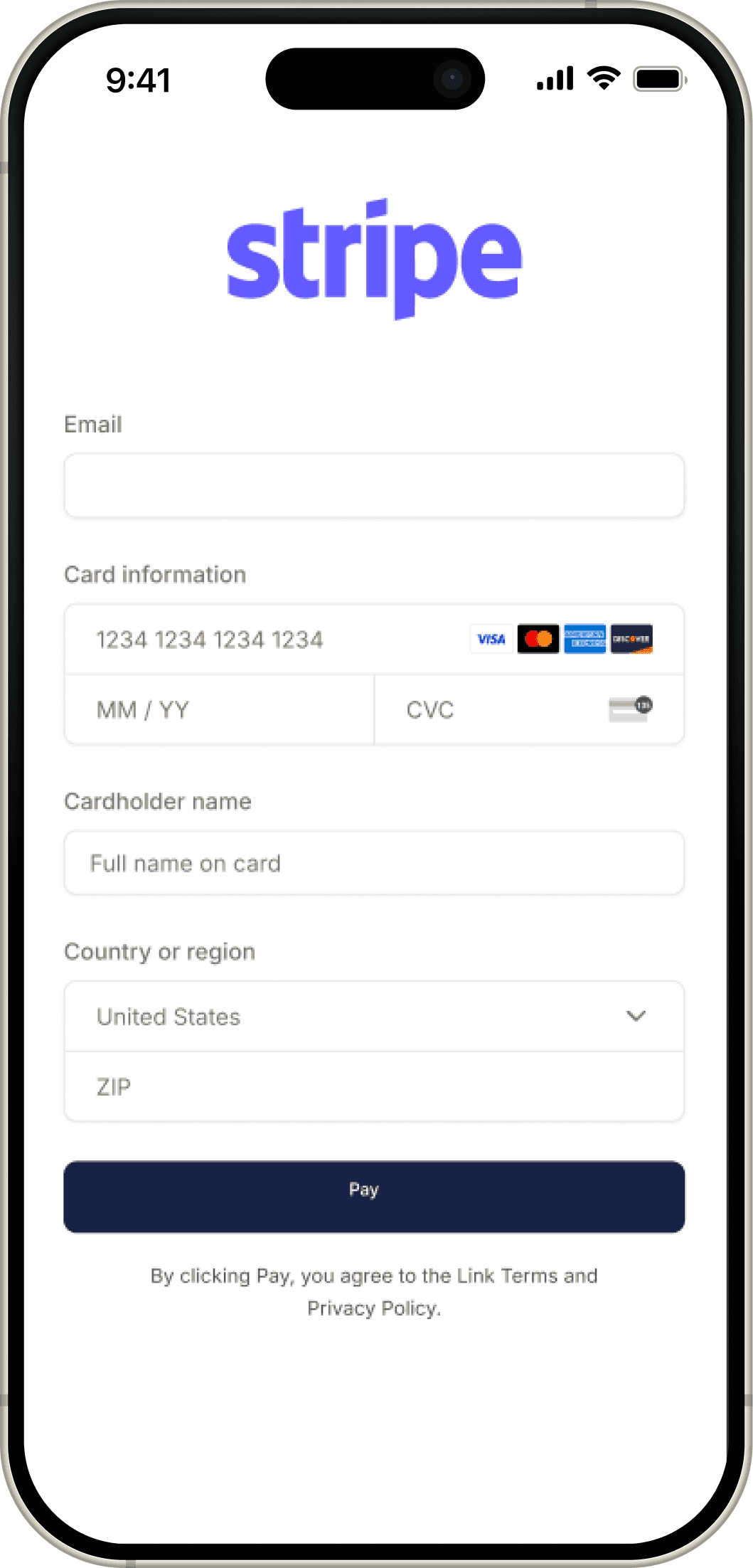
No Integrated Transaction System: Payments and scheduling are handled separately, adding friction to the process.
How might we create a user-friendly platform that organizes and showcases services sold by students for students while facilitating safe, easy transactions for college campuses?
The solution
Buy second-hand on campus
Research
Our Methods
Surveys to find:
Services students want or provide
Platforms currently used for service exchange
User experiences with existing methods
Interviews with:
Student service providers (e.g., barbers)
Students who frequently use campus services
Professors with design background
Helped us find
Students frequently use and provide various services on campus such as tutoring, hair-cutting, dog walking, and doing nails. Currently, they rely on social media platforms for exchanging services and running business which is inconvenient. Existing methods lack organization and have limited outreach.
Define
What to solve
During this phase, we engaged in extensive brainstorming sessions to identify a significant problem on college campuses. Our discussions led us to recognize the need for a centralized platform for service exchange, which became the foundation for the Sliks app.
Design
Prototyping
Niche Definition: Based on our research, we refined the app's focus and target audience
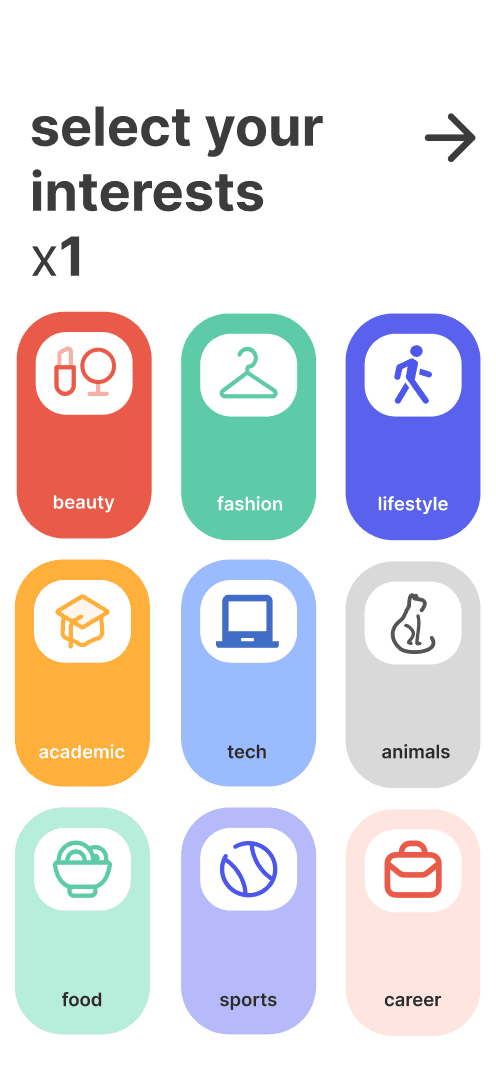
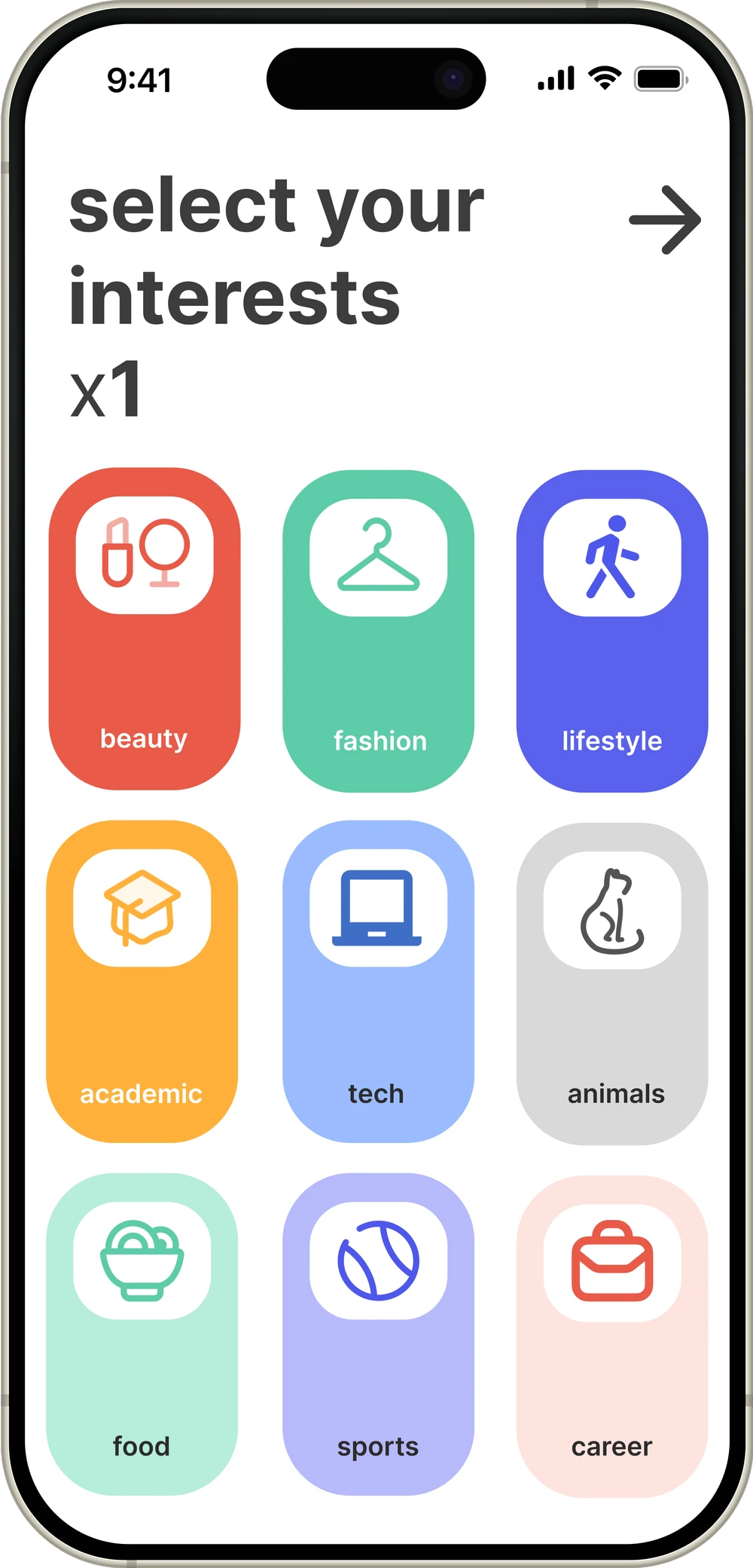
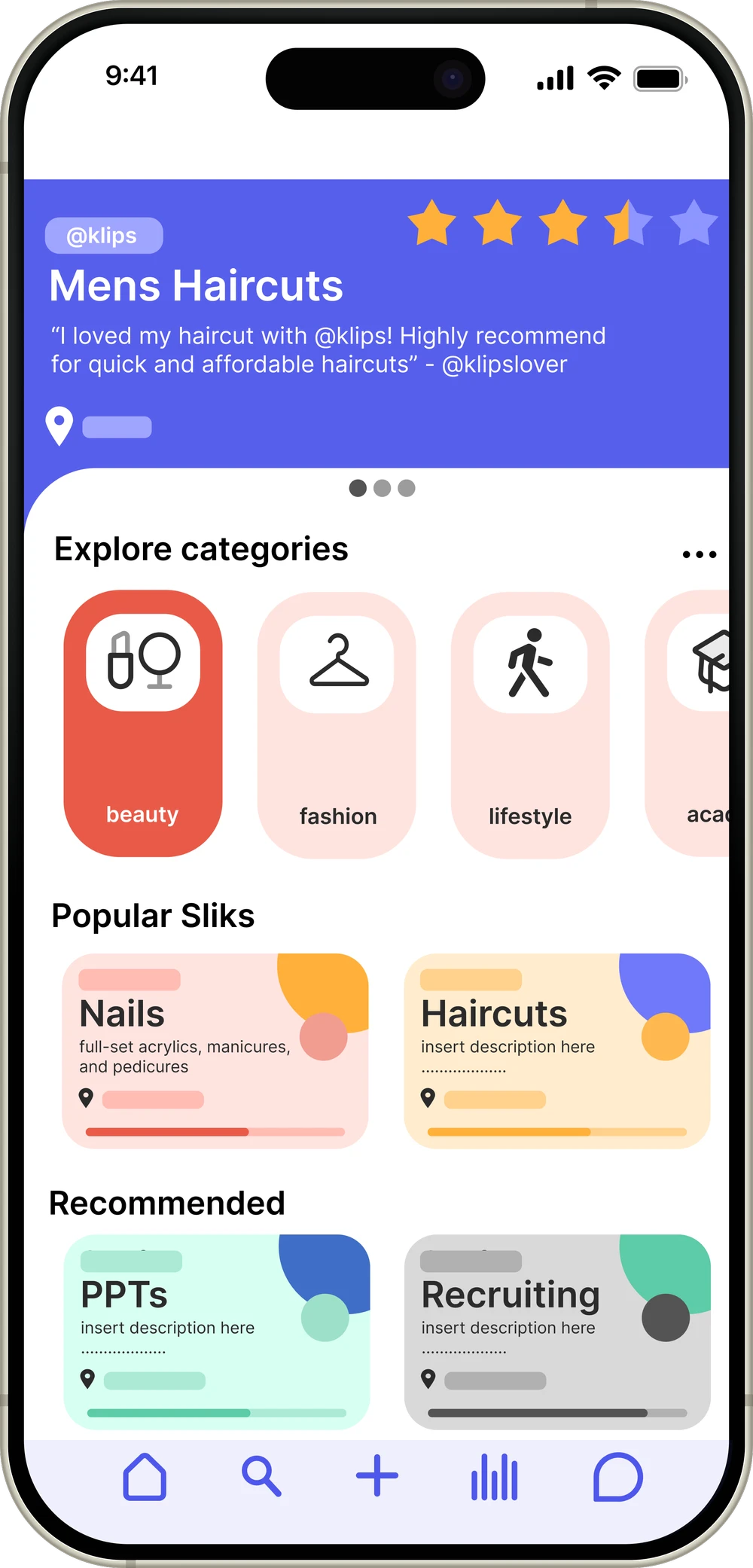
“Sliks”: a playful way to spell skills backward, is a platform for students on campus to buy/sell their skills
Initial Wireframing: created preliminary wireframes incorporating our research findings
Mood Board Creation: Our team collaborated on mood boards to establish color schemes, logo designs, and overall style
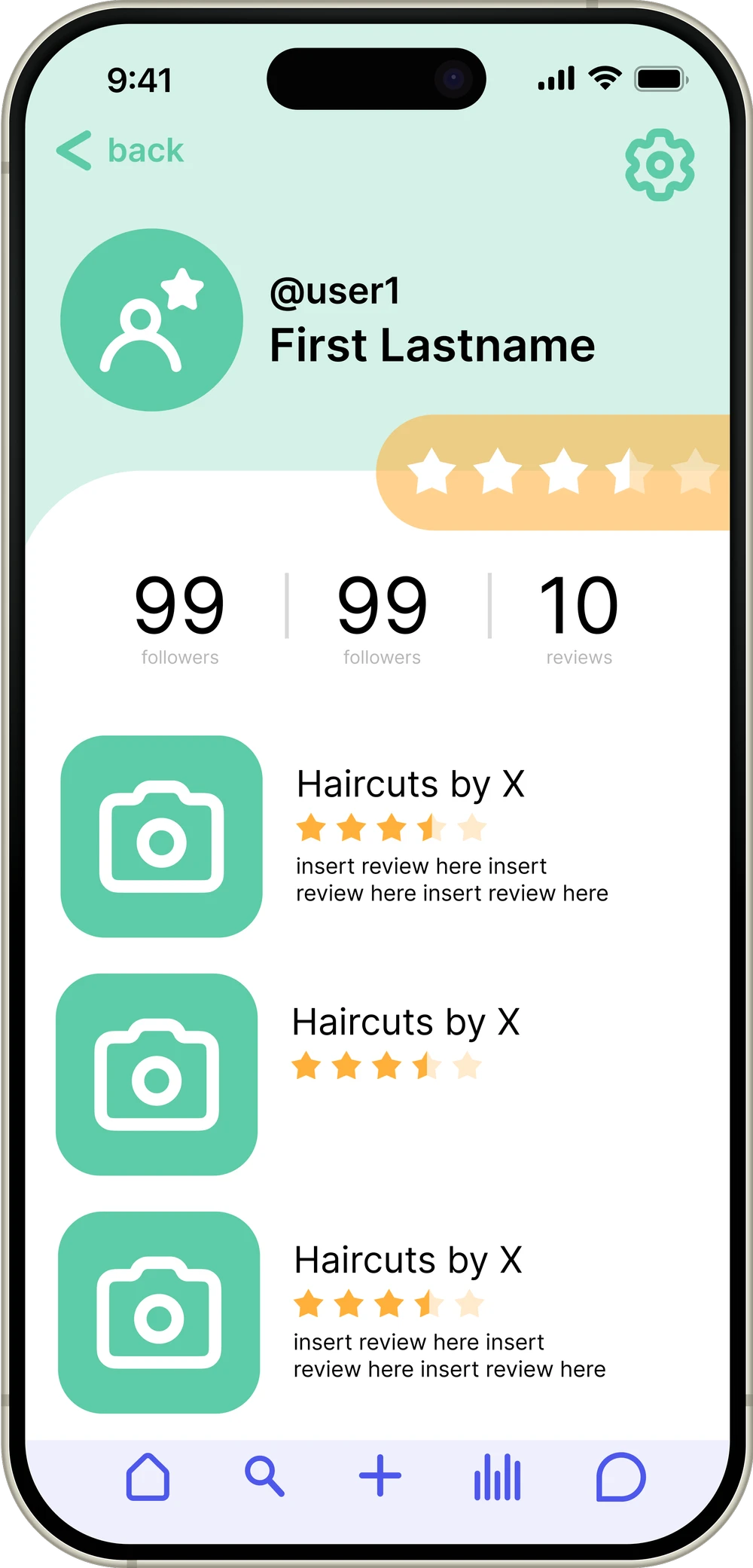
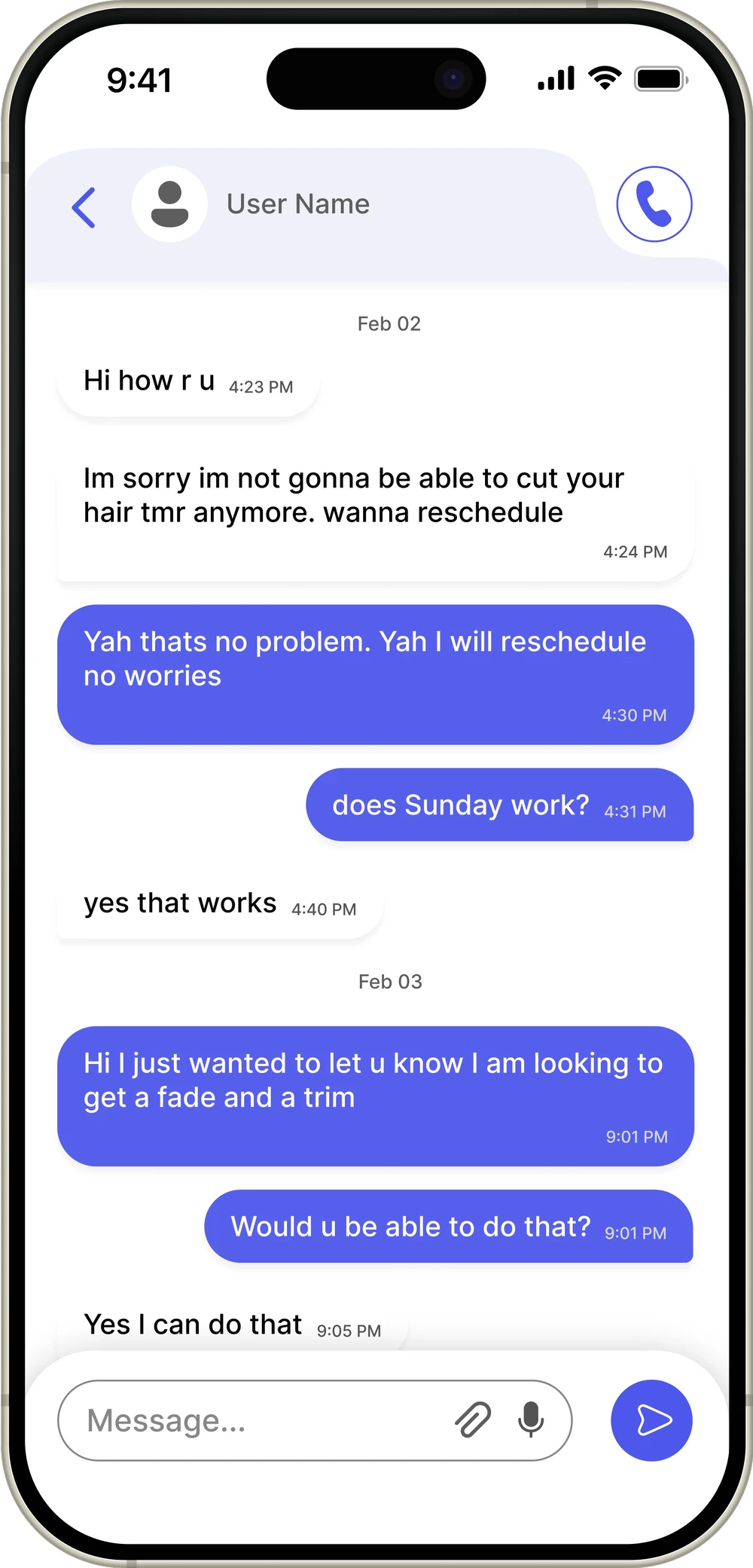
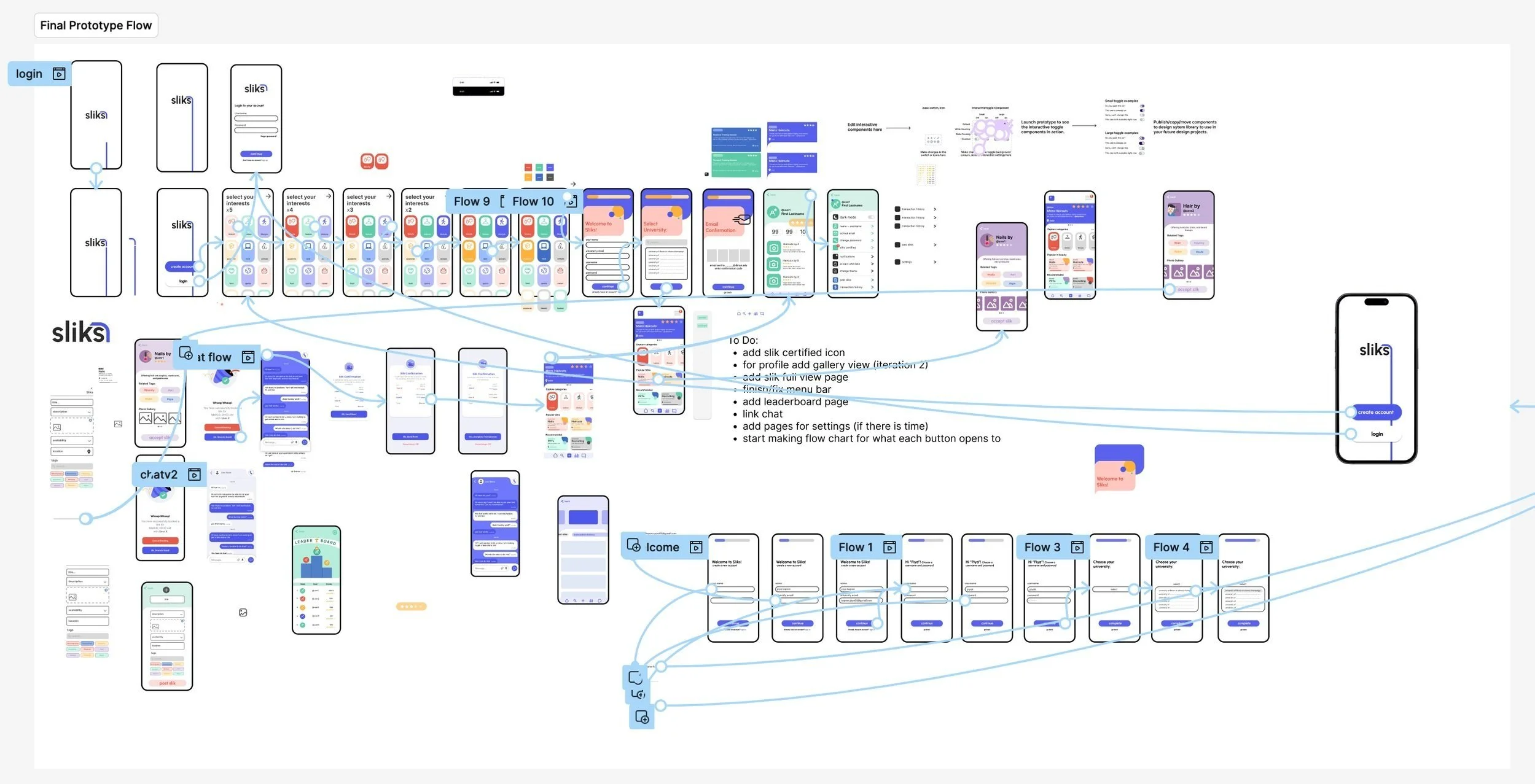
Prototype Development: Using insights from previous steps, developed a comprehensive Figma prototype
Evaluate
How did we do?
User Testing: Conducted observational studies to analyze user behavior and experiences using our prototype
User Interviews: Gathered detailed individual feedback based on their interactions with our prototype
Focus Groups: Presented our solution to a group of students interested in the app and got feedback from them
Prototype Refinement: Based on user feedback, made necessary updates to the prototype:
Increased color contrast
Navigation bar icons/placement
Onboarding sequence
Ongoing Feedback: Continue to collect user feedback for future updates and improvements
Reflect
This was my first app design project
Thanks for reading